Cloud Costs
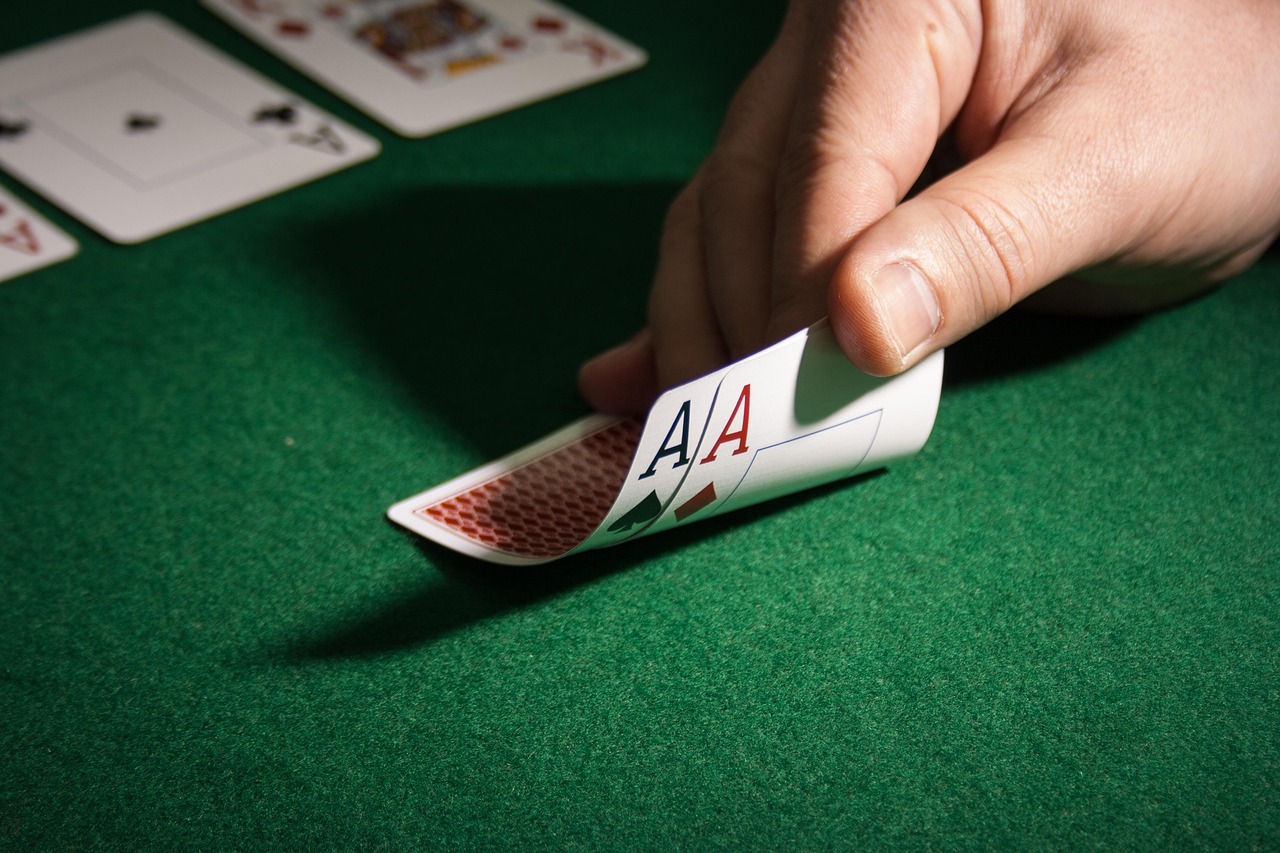
Let's be honest: the iGaming world is a strange beast. One minute you're watching a streamer turn $50 into five figures on a bonus buy, the next you're staring at a poker table wondering why your pocket aces just got cracked by a guy who called three bets with 7-2 offsuit. It's chaotic, thrilling, and sometimes downright brutal. But that's exactly why we love it. Whether you're spinning slots at 2 a.m., grinding micro-stakes poker, or sweating a four-leg parlay on Sunday, there's a rhythm to this ecosystem that rewards discipline and punishes impulse. In this piece, I want to cut through the hype and give you a grounded, practical look at what's actually happening in online casinos, sports betting, and poker right now. No fluff, no 'guaranteed system' nonsense—just real talk from someone who's been in the trenches.
Slots have come a long way from the three-reel mechanical monsters your grandparents fed quarters into. Today's online slots are sophisticated, volatile, and often brutally fast. You've got Megaways titles that boast 117,649 ways to win, cluster pays games that explode like fireworks, and bonus buy features that let you skip straight to the action for a price.
But here's the thing: not all slots are created equal. The RTP (Return to Player) percentage matters—a lot. A slot with 96.5% RTP will, over millions of spins, pay back more than one with 94%. That 2.5% difference might not sound like much, but over a session it's the difference between a slow bleed and a quick death. And then there's volatility. High-volatility slots like Money Train 3 or San Quentin xWays can go hundreds of spins without a meaningful win, then suddenly drop a 5,000x bomb. Low-volatility games like Starburst pay small but often. Know which one you're playing and why.
One more tip: don't sleep on demo modes. They're not just for beginners. Testing a slot's bonus frequency and payout structure for free can save you real cash down the line. There is a useful overview at สล็อต.
If slots are pure chance, sports betting is a strange hybrid of analytics and intuition. The rise of player prop bets, live in-play markets, and same-game parlays has made betting more engaging—and more dangerous. It's easy to get seduced by a 10-leg parlay that could turn $10 into $10,000. But let's be real: the odds are stacked against you. Sportsbooks aren't charities.
That said, there's a smart way to approach it. Line shopping is non-negotiable. Different books offer different odds on the same event. Consistently getting -105 instead of -110 on a spread bet might not seem like much, but over 100 bets it's a significant edge. Also, focus on niche markets where you actually have knowledge. If you follow Serie A religiously, don't bet on NBA games just because they're on TV. Specialize.
This is where most people fail. They deposit $200, bet $50 on a Monday night football game, lose, then double up on Tuesday to 'get it back.' That's not betting; that's tilt. A proper unit size is typically 1-2% of your total bankroll. So with a $1,000 bankroll, your standard bet is $10-$20. Boring? Maybe. Sustainable? Absolutely. The goal isn't to get rich overnight; it's to stay in the game long enough to capitalize on value when it appears.
Online poker has changed. The boom days of 2005 are long gone, but the game is alive and well—just tougher. Solvers, HUDs (where allowed), and AI training tools have raised the skill floor. If you're playing micro-stakes cash games, you're up against regs who know GTO (Game Theory Optimal) ranges better than they know their own family. But that doesn't mean you can't win. It means you have to be smarter.
Live poker, on the other hand, is softer than ever in many markets. The pandemic pushed a lot of casual players online, but live tournaments and cash games still attract tourists and hobbyists. If you're in a city with a decent poker room, the edge is there. Just be prepared for slower hands and more social dynamics.
One more thing: study. Not just play. Watch hand replays, review your sessions, and use tools like Equilab or Flopzilla to check your equity. The players who improve fastest are the ones who treat poker like a skill game, not a gambling game.
Nobody talks enough about the mental game. Tilt is real, and it doesn't just happen after a bad beat. It can creep in after a big win, when you start feeling invincible. Chasing losses is the classic trap—doubling your bet on red because black came up six times in a row. The casino loves that logic. The truth is, each spin, each hand, each bet is independent of the last. The odds don't care about your history.
If you feel your heart racing or your jaw tightening, walk away. Take a walk, grab a coffee, do anything but keep playing. The best players in the world aren't just skilled—they're disciplined. They know when to quit.
iGaming is entertainment. The moment it stops being fun, you've lost more than money. Whether you're spinning slots, betting on football, or grinding poker tables, the goal should be to enjoy the ride while managing your risks. There's no shame in being a recreational player. The shame is in pretending you're a pro when you're not. So set limits, do your homework, and treat every session as a learning experience. The house always has an edge, but with smart play, you can at least keep it interesting.
